


 More than 500 lots spanning centuries of Irish life - from traditional spongeware and bog oak to Killarney work, vernacular furniture and objects connected to the 1916 Rising and Bloody Sunday - will be offered online September 15th.
An extraordinary collection celebrating Ireland’s history, craftsmanship and everyday domestic life will come to auction in County Cavan, Ireland, on Tuesday September 15th, with collectors and members of the Irish diaspora around the world able to take part online.
More than a year in the making, The Irish Heritage Collection Sale at Victor Mee Auctions brings together over 500 lots encompassing Irish vernacular furniture, Killarney work, bog oak, traditional pottery and folk art alongside objects carrying remarkable connections to some of the defining moments in Irish history.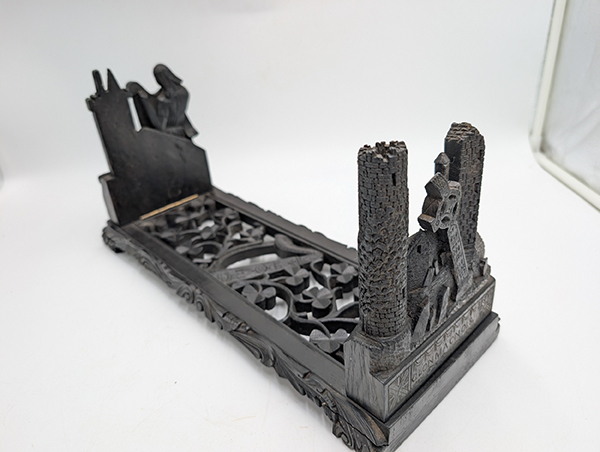 While some pieces tell stories of rebellion, politics and emigration, others offer a more intimate glimpse into generations of Irish life - the chairs people sat upon, the pottery used at the family table and the objects made by Irish craftsmen from materials found in the landscape around them.
Among the most historically significant entries is The Birth of the Irish Republic, an extremely rare early 20th-century oil painting depicting a scene inside Dublin’s General Post Office during Easter Week 1916.
The painting shows an injured James Connolly on a stretcher with Pádraig Pearse, Thomas Clarke and Joseph Plunkett looking on. Attributed to Michael Rogers, who was himself present in the GPO during the start of the Rising, the work carries an estimate of €8,000–€12,000.
Another poignant connection to Irish history comes in the form of a rare surviving ticket from the Tipperary versus Dublin Gaelic football match at Croke Park on Bloody Sunday, November 21, 1920, estimated at €4,000–€6,000.
But much of the collection tells a quieter story of Ireland.
Irish vernacular furniture forms one of the cornerstones of the auction, with regional pieces from around the country including hedge chairs and traditional kitchen dressers. Among them is an extremely rare early 20th-century painted pine hedge chair made by a Lough Neagh boat builder, together with examples from Counties Fermanagh, Meath, Galway and Monaghan.
A substantial collection of 19th-century Killarney work includes intricately decorated pieces made from native Irish woods and featuring some of Ireland’s most recognisable symbols and landmarks.
Leading the group is an Irish Killarney wood arbutus and marquetry davenport, decorated with a crowned harp, eagle and deer, shamrocks, thistles and roses, as well as views of the Swiss Cottage, Muckross House and other historic buildings. It is estimated at €10,000–€15,000.
An expansive collection of Irish bog oak ranges from carved harps, boxes and desk pieces to objects decorated with wolfhounds, round towers, shamrocks and other distinctly Irish imagery.
Traditional Irish pottery provides another link to the country's domestic past.
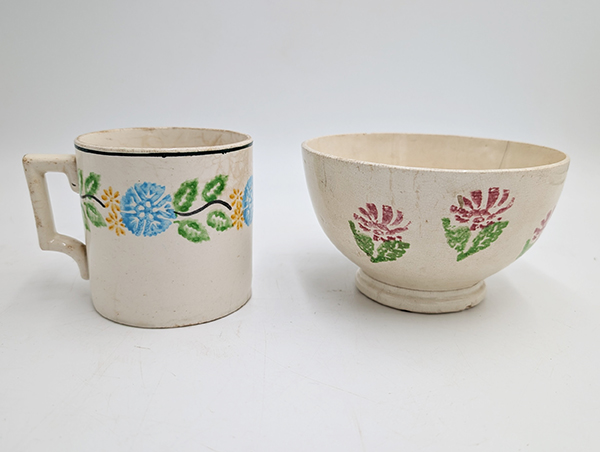
Scarce examples of 19th-century Coalisland Ulster Pottery will be offered alongside traditional Irish spongeware, including a 19th-century potato bowl decorated with roses and hearts and a pair of flower-decorated mugs.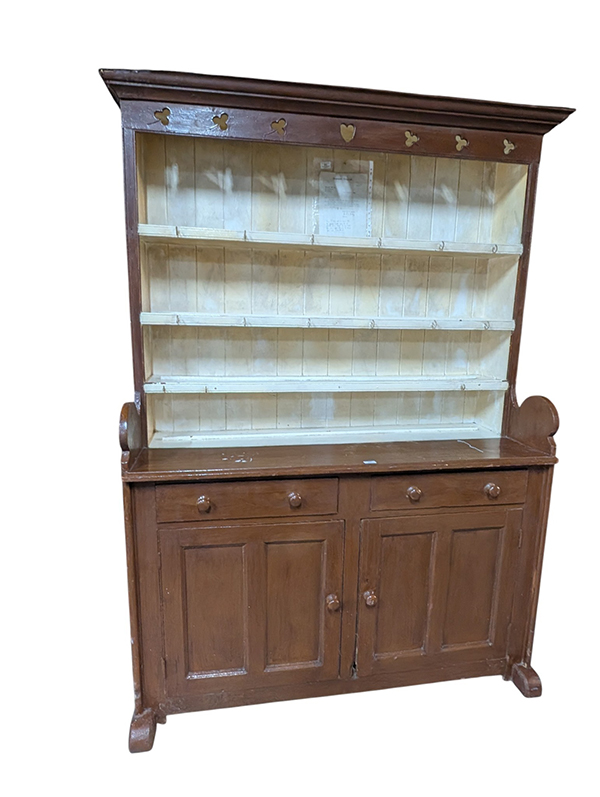 The tradition represented by these pieces would later provide inspiration for one of Ireland’s best-known contemporary pottery makers, Nicholas Mosse Pottery, which celebrates its 50th anniversary this year.
Potter Nicholas Mosse, who is himself a collector of traditional Irish spongeware, said:
“Traditional Irish spongeware has always been an important influence on our work. I have collected it myself and have always loved the simple, honest shapes and the way the decoration works with the form of each piece. When we started Nicholas Mosse Pottery 50 years ago, we wanted to take that wonderful old Irish tradition and give it a new life. It is lovely to see these early pieces still being appreciated and collected today.”
Speaking ahead of the auction, Victor Mee said:
“This is a sale we've been working towards for well over a year, setting aside pieces as we found them and waiting until we had a collection that really warranted an auction of its own. What makes it particularly special is the breadth of Irish history represented. There are pieces connected with some of the defining moments in our history, but equally there are objects that tell us about everyday life in Irish homes and the craftsmen who made them.”
He added that good examples of Irish vernacular furniture and traditional craftsmanship are becoming increasingly difficult to find, describing the bog oak represented in the auction as the most expansive and impressive collection the auction house has encountered.
For Irish people overseas and descendants of those who left Ireland generations ago, the collection offers an opportunity to explore - and potentially own - objects intimately connected with Ireland’s history and material culture.
From humble spongeware once intended for everyday use to intricately carved bog oak and Killarney work, the collection reflects traditions that travelled far beyond Ireland itself and remain instantly evocative of home for generations of the Irish diaspora.
The Irish Heritage Collection Sale takes place live online from Victor Mee Auctions in County Cavan, Ireland, at 2pm Irish time on Tuesday, September 15, 2026.
The complete 508-lot catalogue is available through the Victor Mee Auctions website, with international online bidding available in advance and throughout the sale.
Victor Mee Auctions Ltd.
Co. Cavan, Ireland
+353 47 55076